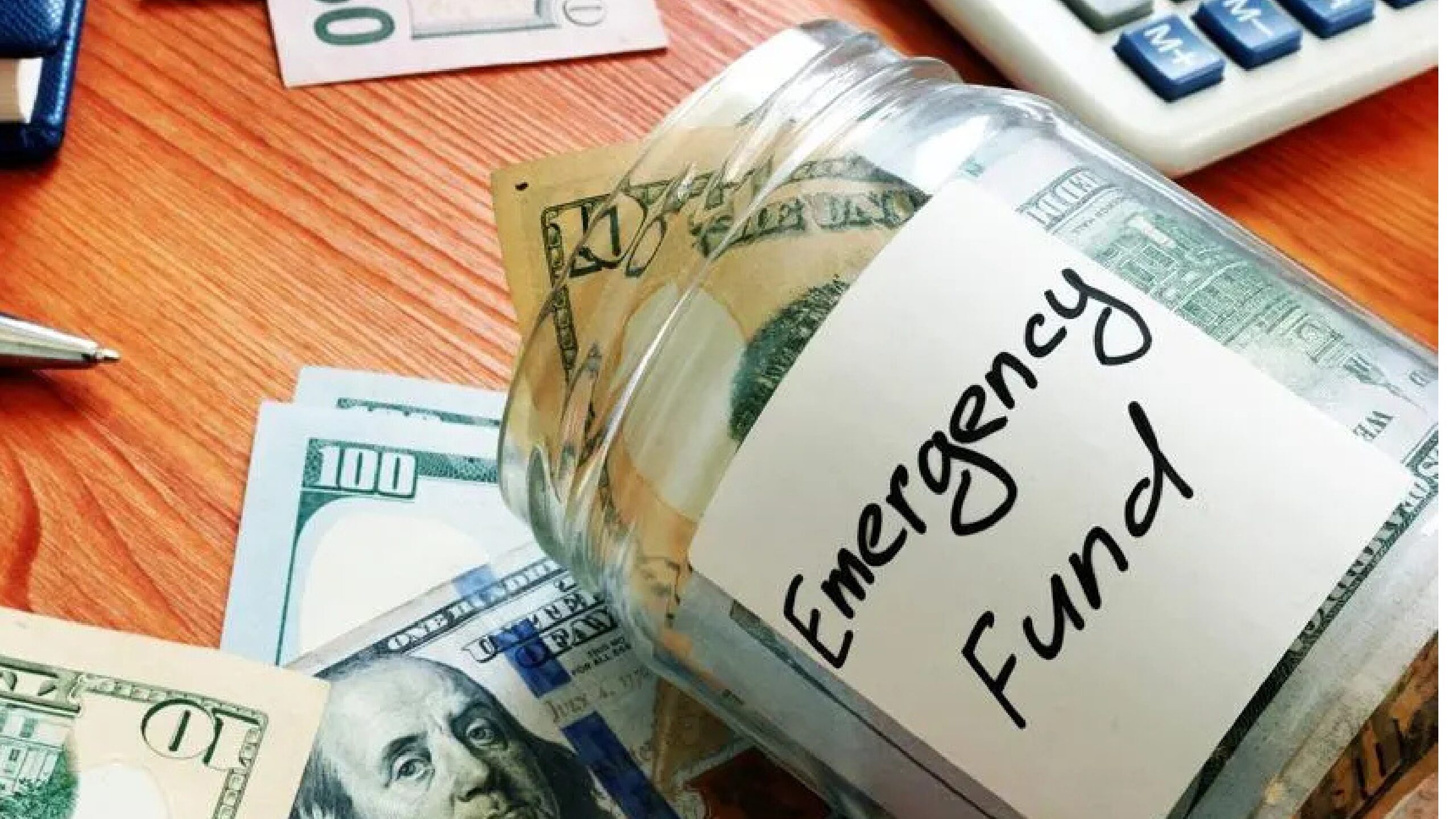
Emergency fund 101: Why you need one and how to build it fast
Imagine this: you wake up one morning, get up and go to work as you always do, and at lunchtime, they give you the pink slip. Or maybe it’s not the work; maybe it’s some unknown illness that puts you out for weeks. No warning. No pay. Just bills adding up and a bank account that’s. Well, just too stagnant.
Spooky, huh? And yet, so many of us are only one emergency away from economic collapse. The anxiety of trying to figure out how to pay rent, buy food, or even fill a prescription without a secure income can be like lugging the weight of the world around on your shoulders. It’s draining, dizzying, and honestly, really scary.
The good news is that you don’t have to endure all that stress. That’s where an emergency fund comes in, a silent little rescuer in your savings account. It’s your buffer, your plan B, your “I got this” money when life throws you curveballs. Building one need not be a chore, and the feeling of security that it provides. Priceless.
What is an emergency fund?
An emergency fund is a buffer savings account established for unexpected spending, such as car maintenance, doctor bills, or a layoff. It’s not for holidays, shopping therapy, or planned purchases. It’s strictly for emergencies.
This is your stash of money. Something happens, and you don’t need to resort to high-interest credit cards or loans. You’ve already got money in your pocket to help you get by.
Why do you need an emergency fund?
Because life is full of surprises, even a small financial glitch, such as a late fee or some unexpected expense, can throw your budget into chaos. And without an emergency stash of savings, that tiny problem can quickly become debt. According to Urban Institute analysis, those with low or no emergency savings are more likely to run into financial trouble after a shock, and they recover much more slowly. Having an emergency fund doesn’t just save you now; it provides peace of mind and security for whatever comes next.
How to Start an Emergency Fund
Start by getting clear on your numbers. Write down your monthly income and all of your ongoing expenses, such as debt payments and any bills that you pay regularly. This gives you a clear picture of where your money is going and how much you have left over to save.
Then, set a realistic goal. Think about what number of months’ worth of living expenses would give you peace of mind; most people aim for 3 to 6 months’ worth. That is your target emergency fund amount.
Last, create a plan. Decide how much you can save consistently monthly. Little bits do add up in the long run, so don’t worry about starting with an astronomical amount; just be consistent.
Streamline by opening a distinct account from your normal spending money and setting up automatic transfers. That way, saving becomes habitual and less of an afterthought.
Finally, check in with your plan regularly. Investigate options to increase your contributions in case you get a pay raise or decrease spending, or pay off debt. What you want to do is grow your buffer portfolio steadily and cumulatively.
Where to Put Your Emergency Fund
Another safe place to put your emergency fund is a high-yield savings account. It earns your money interest while keeping it liquid. You can keep it in a money market account at your community bank, too, but beware of any hidden fees that will cut into your return.
Whatever you choose, ensure that you can withdraw money when you need it, without delay or penalty. Spend some time comparing features and find the account that is right for you.
Why It Matters
This year has also taught us the importance of being financially prepared. It may be a missed income or an unplanned expense, but having an emergency fund gives you some leeway to breathe. It’s not money, it’s peace of mind and the assurance that you’ve got your back when life goes unexpectedly.
What happens when you reach your goal
Once you’ve achieved your emergency fund goal, you establish a sound financial cushion that puts genuine peace of mind within reach. With savings to meet three to six months’ worth of living expenses, you’ll be better able to absorb life’s financial surprises. Be it an unexpected doctor’s bill or an emergency plumbing fix, having a savings cushion in place means you can relieve the stress of having to borrow on credit cards or take a loan when faced with an unplanned loss of employment.
Your emergency fund gives you the cushion to address problems without upsetting your financial equilibrium.
But once you’ve attained your objective, don’t forget about it. Attempt to keep it intact and cycle through it regularly if your spending grows or shrinks, or if your financial situation fluctuates. You may want to modify your goal if you realise you require more savings or if you’ve had a life change, such as relocating to a more pricey neighbourhood or having a child. Your emergency fund must expand with you, providing a reliable cushion when you need it.
Conclusion: Secure Your Future, Step by Step
An emergency fund isn’t simply a money buffer, though. It’s also a key to overall happiness. It’s the peaceful assurance that comes from knowing you’re prepared, whatever life has in store. Without it, an unplanned expense could derail you. With it? You stay on track, centred, and in control.
Here’s what you can do next:
Begin financial peace. Decide on your emergency fund goal, open a separate account, and begin saving no matter how little. It’s not the quantity; it’s the habit. Every deposit is a vow to yourself that your future will be secure, stable, and stress-free. One step today, everything tomorrow.
Emergency fund 101: Why you need one and how to build it fast